Article · 3 min read
CBD for Pets
Considering CBD for your dog or cat? Learn what pet CBD is, what to look for, and why to talk to your vet and read the lab results before you buy.
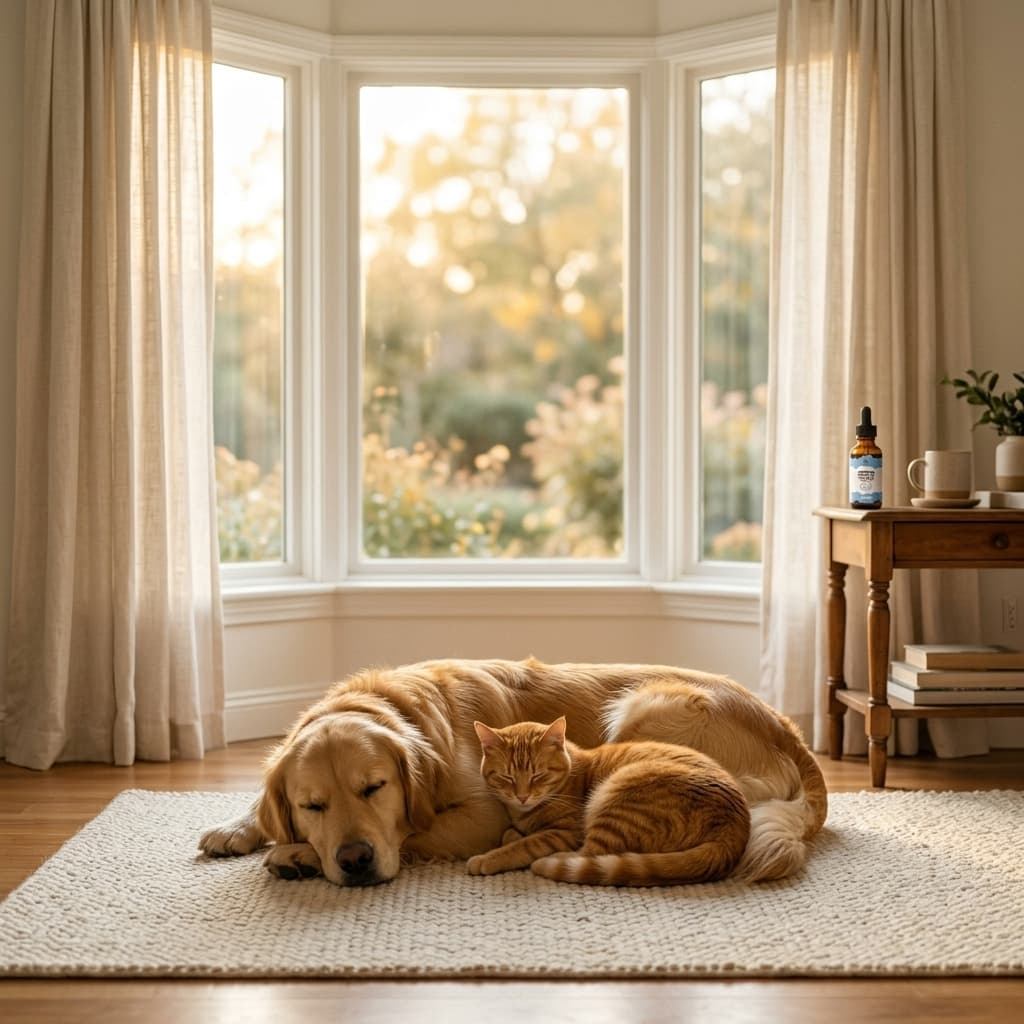
Millions of pet owners are curious about hemp-derived CBD as part of their animal's routine. If you are one of them, you probably have questions.
The pet CBD market is even less regulated than the human CBD market. That means choosing the right product requires some homework. This guide covers what you need to know before giving CBD to your pet.
What Is Pet CBD?
Pet CBD is hemp-derived cannabidiol formulated specifically for dogs and cats. Like humans, animals have an endocannabinoid system (ECS) -- a network of receptors found throughout the body.
Pet CBD products are designed with appropriate concentrations for smaller bodies. They use pet-safe carrier oils and avoid ingredients that are harmful to animals (like certain essential oils or artificial sweeteners, particularly xylitol, which is toxic to dogs).
Why Pet Owners Are Curious About CBD
Pet owners often look into CBD for the same reasons they look into it for themselves: they want to add a plant-based wellness product to their animal's daily routine. Every animal is different, and CBD is not a substitute for veterinary care. Your vet is the right person to tell you whether it makes sense for your pet.
What to Look for in a Pet CBD Product
The same quality standards that apply to human CBD apply to pet CBD. Do not settle for less when it comes to your animal.
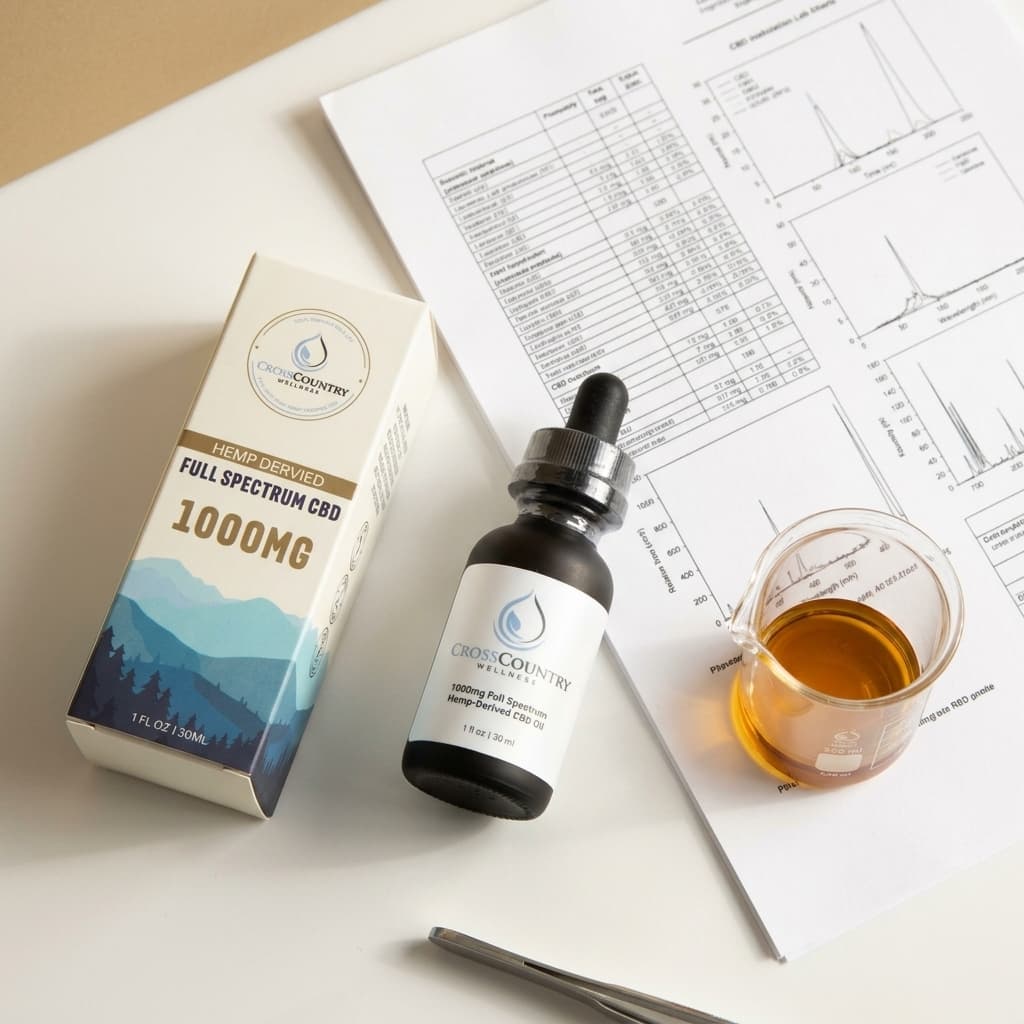
Third-party lab testing. The product should come with a Certificate of Analysis from an independent lab. You should be able to see exactly what is in the product and confirm there are no contaminants.
Low THC, verified by a COA. THC affects pets differently than people, and it can be harmful to dogs and cats in larger amounts. Look for a product that is Farm Bill compliant with less than 0.3% THC, read the COA for the actual THC result, and ask your vet whether that level is right for your animal.
Pet-appropriate formulation. The concentration should be designed for animal body weight, and the ingredients should be safe for pets. Avoid products with artificial flavors, xylitol, or essential oils that are toxic to animals.
Clear dosing instructions. A quality pet CBD product will include weight-based dosing guidance so you know exactly how much to give your animal.
USA-grown hemp. The same sourcing standards that apply to your own CBD should apply to your pet's.
How to Give CBD to Your Pet
Most pet CBD comes as an oil with a dropper, which gives you the most control over dosing. You have a few options:
Directly in the mouth. Use the dropper to place the oil on your pet's tongue or inside their cheek. This is the fastest method.
Mixed with food. Add the oil to your pet's food or a treat. This is easier for animals who resist the dropper, though absorption may be slightly slower since the CBD passes through the digestive system.
On a treat or peanut butter. A small dab of pet-safe peanut butter (no xylitol) with the oil on top works well for dogs.
Start with the lowest suggested dose for your pet's weight and watch your pet closely for a week before adjusting.
Our Pet CBD Product
Our 1000mg Hemp-Derived CBD Oil for Dogs and Cats is made from USA-grown hemp and is a low-THC product, Farm Bill compliant with less than 0.3% THC. A Certificate of Analysis for the pet oil is not posted yet. Until it is, talk with your vet and email info@crosscountrywellness.com with any questions.
At $49.99 one-time or $34.99 per month with a subscription, it is priced for pet owners who use it consistently.
Talk to Your Vet
Before starting CBD with your pet, have a conversation with your veterinarian. They know your animal's health history, current medications, and specific needs. CBD is a supplement, not a replacement for veterinary care.
A good vet will appreciate that you are doing your research and will be able to help you make the right decision for your pet.
Written by the Cross Country Wellness team.
Reviewed by J Bird before publication.
*Not evaluated by the FDA. Not intended to diagnose, treat, cure, or prevent any disease.